

History
The Planters' Association of Ceylon
Planters' Association of Ceylon - News Item
RPCs and PHDT reaffirm commitment for post-Ditwah reconstruction and relief efforts
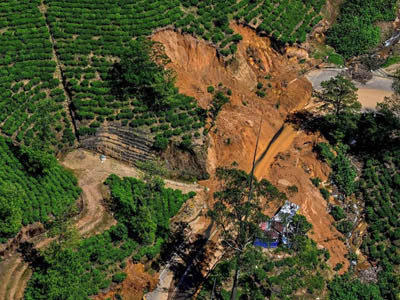
The Regional Plantation Companies (RPCs) and Plantation Human Development Trust (PHDT) have reiterated its commitment to supporting estate communities affected by the devastating cyclone Ditwah disaster, facilitating relief and rehabilitation assistance through a combination of emergency response initiatives and long-term reconstruction projects.
Following the cyclone, the RPCs were among the first responders on the ground. Estate managers moved affected families to safer locations, including factories and estate buildings, and provided food, accommodation and temporary support during the initial period, before wider Government relief mechanisms were fully in place.
The disaster significantly impacted estate communities, affecting hundreds of families causing extensive damage to homes, infrastructure, water supply systems, educational facilities, and livelihoods. In response, the RPC’s and PHDT mobilized resources and partnerships to ensure timely assistance reached the affected communities.
PHDT, together with collaborative partners including Ahmad Tea, the Rainforest Alliance and other well-wishers, provided assistance valued at more than Rs. 20 million. Relief measures included the distribution of 100 water tanks, 2,000 school bags containing books and hygiene kits, essential medicines, and the organisation of psychosocial counselling programmes to support affected families and children in coping with the aftermath of the disaster.
Building on these emergency interventions, the International Labour Organization (ILO) supported the recovery of affected estate communities through several rehabilitation projects. The partnership focused on restoring essential infrastructure and services, in the Badulla District.
These projects have helped restore access to safe water, improve connectivity, and ensure the continuity of child development and welfare services for estate communities.
“The Ditwah disaster brought immense hardship to estate communities, many of whom lost access to basic services and critical infrastructure. Through the generous support of our partners and donors, the RPC’s with the support of the PHDT was able to respond swiftly with immediate relief while also investing in long-term rehabilitation efforts. Our priority has been to help affected families rebuild their lives, restore essential services, and strengthen community resilience for the future.”
Housing Rebuilding Programme
Significant progress has been made in planning the permanent housing reconstruction programme for families whose homes were damaged or destroyed in the disaster. In a major step forward, Regional Plantation Companies have agreed to release landto affected estate communities, enabling the construction of safer, permanent homes with government support.
The programme will follow a beneficiary-driven model, with Government funds channelled directly through the Divisional Secretary to eligible families rather than through contractors. Families whose homes were fully destroyed may receive up to Rs. 5 million, disbursed in stages, while those with partially damaged homes will receive targeted repair and upgrading support based on the assessed level of damage.
To protect the integrity of the process, beneficiaries are being verified through a transparent system involving the respective Grama Seveka (GS) officers, estate management and PHDT regional teams. This careful approach is intended to prevent duplication and ensure support reaches only those genuinely resident in the affected estates at the time of the disaster.
Each new home will be required to meet minimum living standards, including approximately 650 square feet of floor space with two bedrooms, a hall or sitting area, kitchen, permanent roof, toilet, safe water access, electricity and road access.
The implementation is expected to unfold in two stages: land allocation and finalising the verified beneficiary list, followed by construction, with the aim of completing all housing within approximately one year.
Released in July 2026